How a name change became a category claim
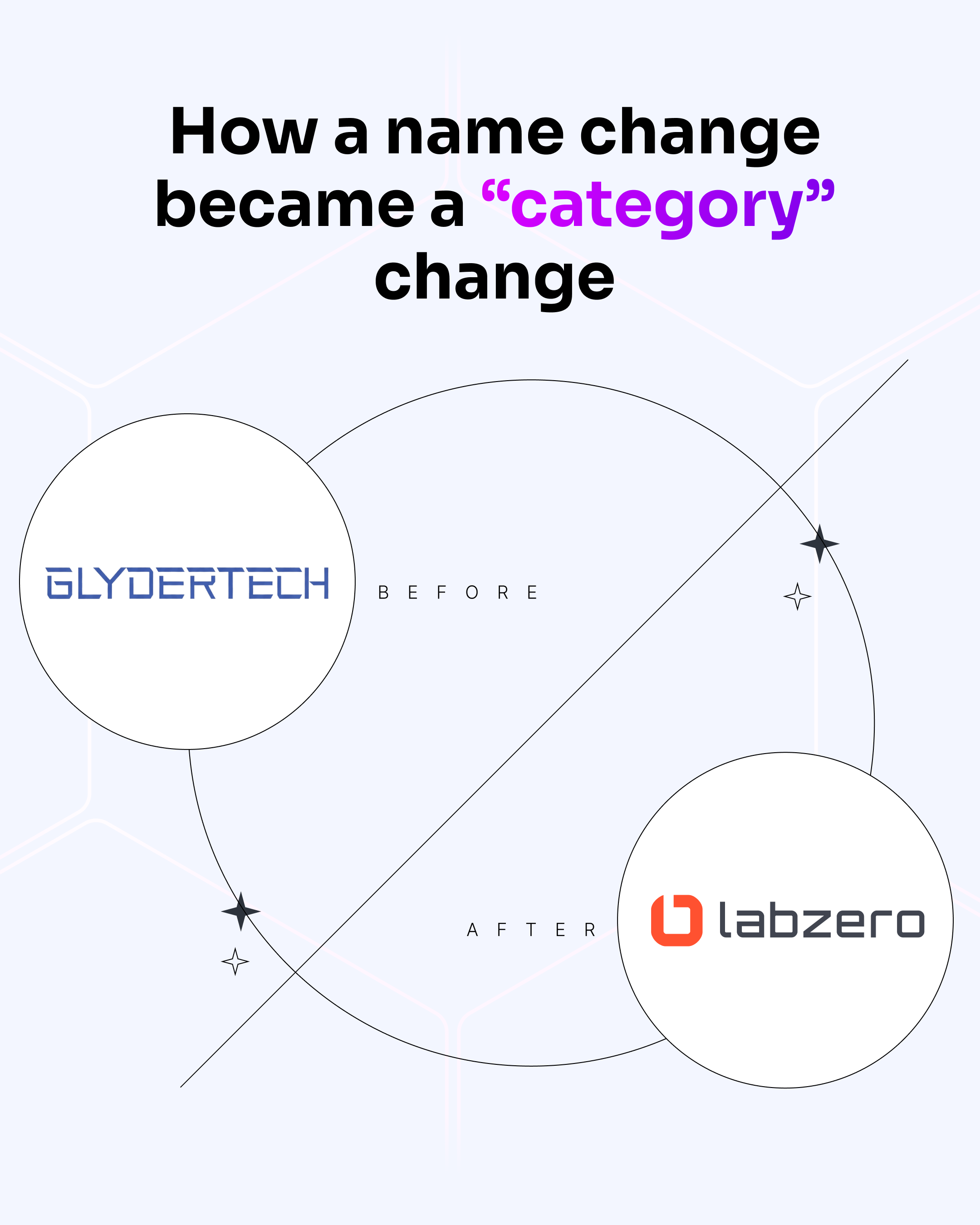
What "Labzero" Actually Means, and Why the Name Wasn't an Accident
Great technology deserves a great outcome. How it's introduced to the world plays a huge part in getting there. In deep tech especially, founders pour years into getting the science right, and the best ones know that everything after that matters just as much. The market evaluates a company on more than its engineering. It evaluates whether the company understands what it's actually claiming, and whether that claim is easy to trust. Get the introduction right, and a breakthrough moves faster than anyone expected.
That's where the real opportunity sits. In categories built on trust, the way an idea is named and shown matters as much as what the idea actually does, because that's what determines how quickly people lean in to look closer. The founders who figure this out early aren't spending less time on the science. They're recognizing that positioning is part of the science of getting adopted.
That's exactly the opportunity a team we worked with recently was ready to seize. The technology was ready. It just hadn't yet been introduced in a way that matched its ambition.
Who they were
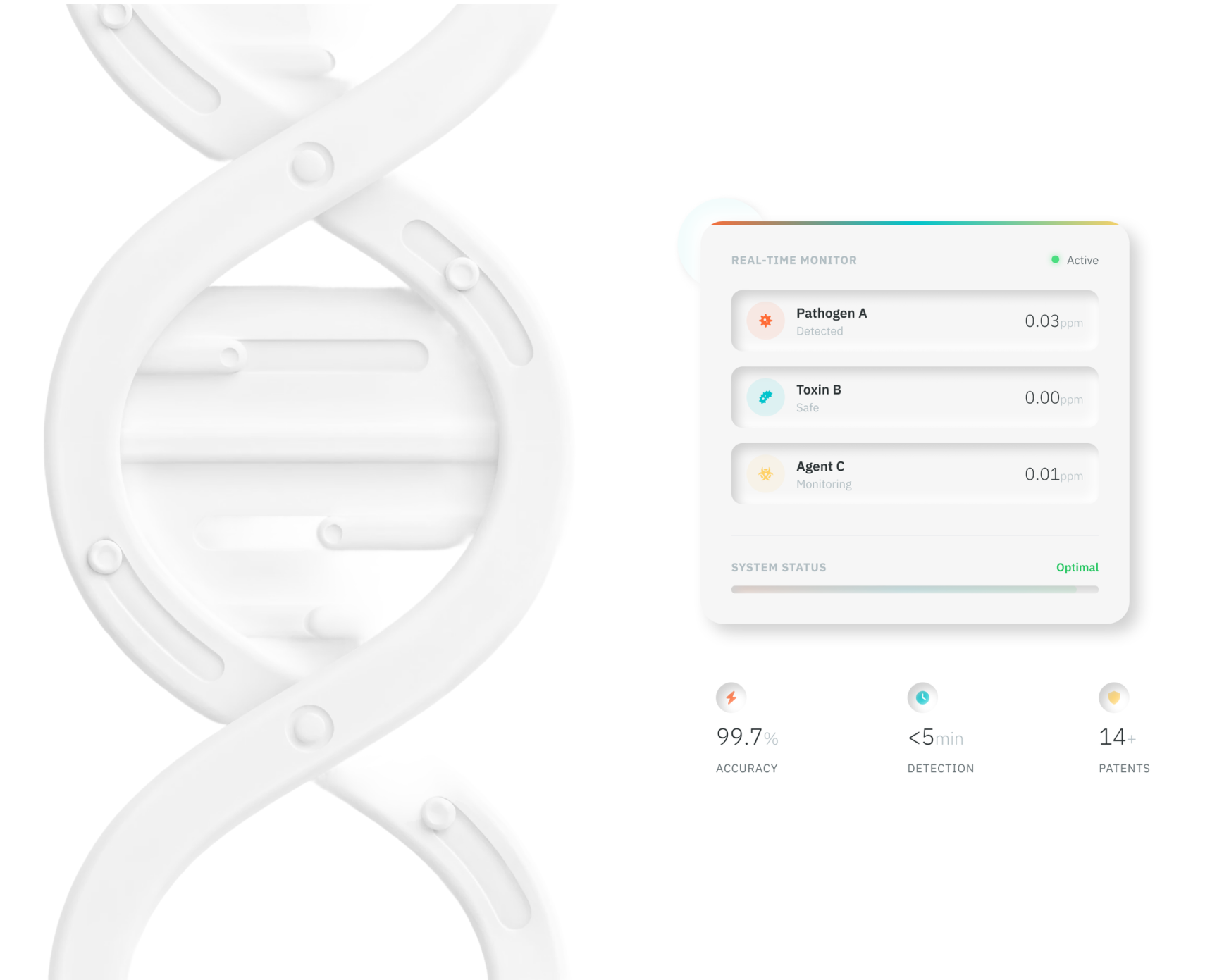
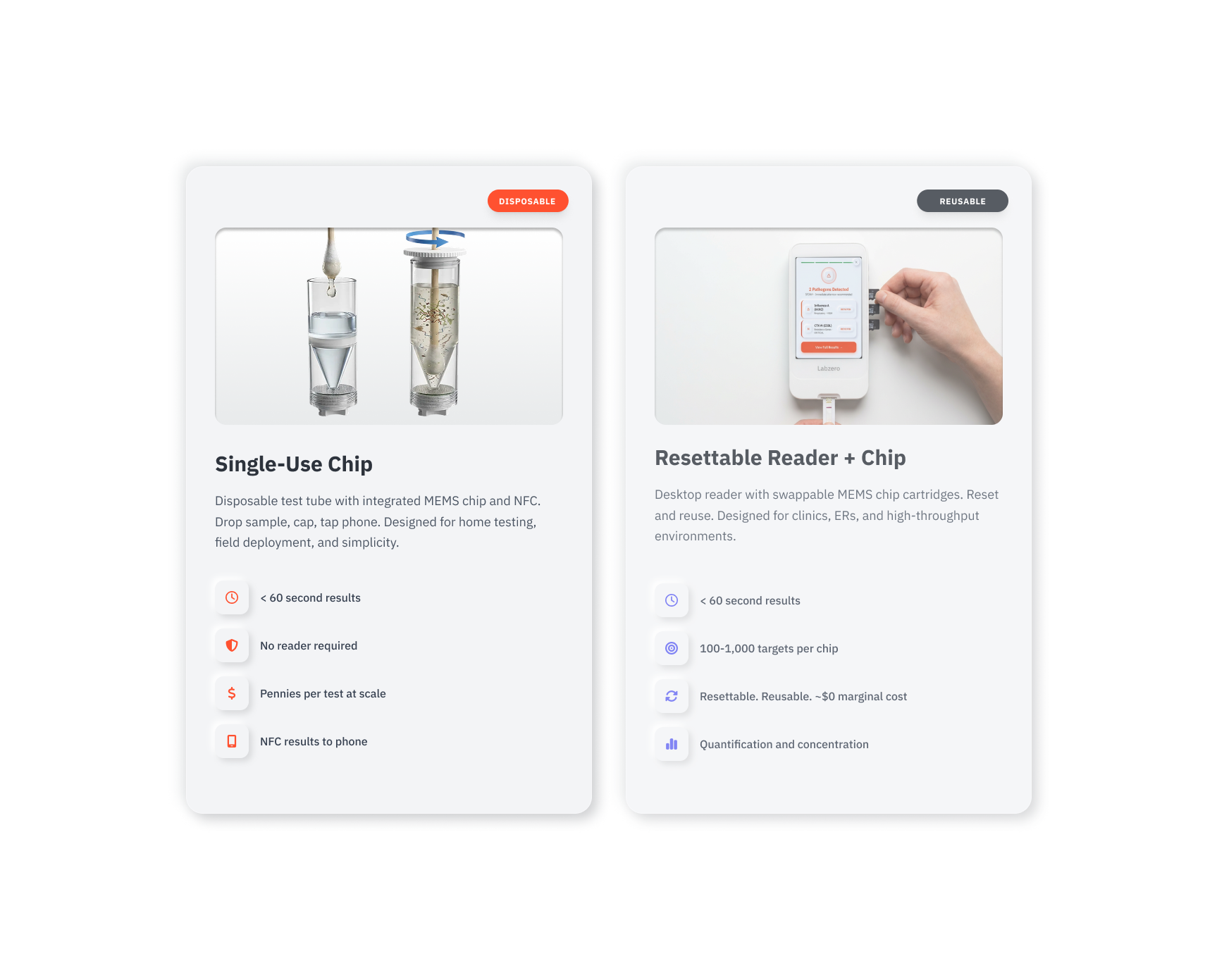
GlyderTech arrived with a genuine breakthrough: a MEMS-based diagnostic platform that reads a raw sample directly, no lab, no reagent prep, no specialized training, and delivers a result in under 60 seconds. It screens for dozens of pathogens on a single chip, holds up on messy real-world samples that would wreck a standard test, and resets for reuse instead of getting thrown away after one run.
They'd built something rare, and they came to us ready to give it a name and identity as ambitious as the technology itself. That's what we were brought in to build.
We don't rename companies for the sake of change. We start by understanding what a technology actually does, then build a name that carries that weight forward. GlyderTech wasn't building a marginally better test, so the name needed to say what the technology was actually built to eliminate: the reasons testing is slow, centralized, and hard to access in the first place.
Lab plus Zero. Two words that do the work of an entire pitch: zero wait, zero sample prep, zero lab dependency, zero guesswork.
Great work doesn't sell itself. A name helps make the case. Labzero didn't need to explain what the technology does. It needed to make someone want to find out. Zero wait. Zero sample prep. Zero lab. Zero guesswork. Four promises, delivered before a single meeting even starts.
That's what the decision unlocked. A name a buyer remembers after one call instead of asking to hear it again. A company that walks into a room already understood, so the conversation can start with what's possible instead of what it does. The technology hadn't changed at all. What changed was how fast the world could recognize what they were looking at.
Looking the part
The name solved half the equation. The other half was execution, and this brand had to work harder than a typical rebrand because of who actually needed to trust it. This isn't a product built for one room. The same platform is meant to sit in a hospital, a defense operation, and eventually a kitchen counter. A visual identity that leaned fully tactical would have spoken to only part of its audience. One that leaned fully soft and consumer-friendly would have left something on the table with defense and government buyers. It had to hold both audiences at once, without diluting either.
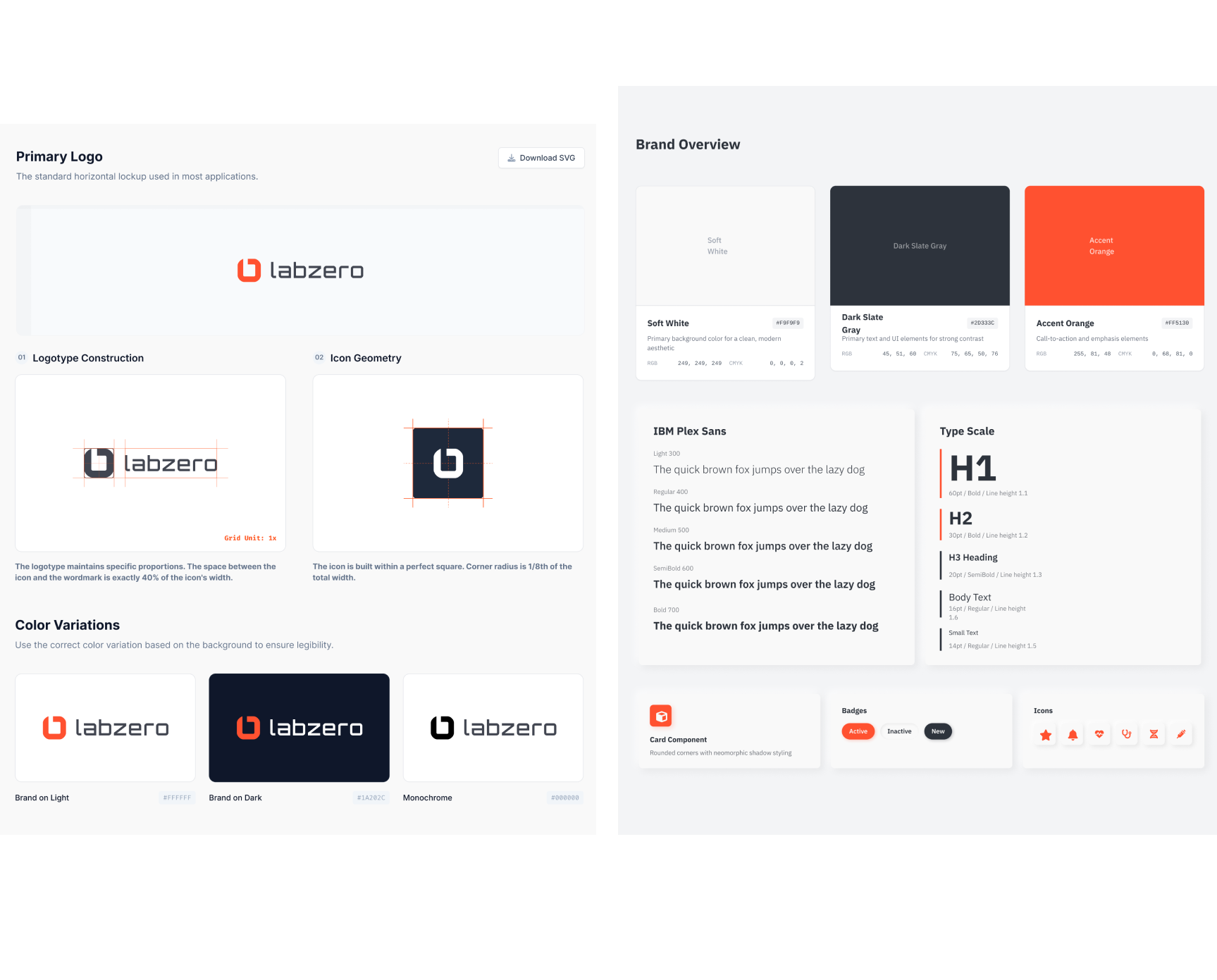
That's why we moved beyond the dark, tactical look this category often defaults to, and built something closer to what you'd actually want to see and hold: soft, dimensional, approachable. Not because the technology is any less serious, but because the brand needed to earn trust in a living room the same way it earns trust in the field. Dual-use technology deserves a dual-use identity. Execution meant designing one visual language that could do both jobs well.
What emerged
Most diagnostic brands make an early bet: clinical and clean, or rugged and tactical. That works if you're only walking into one kind of room. Labzero couldn't make that bet, because the technology doesn't stay in one room.
What came out the other side isn't another dark, moonshot-biotech identity, and it isn't a purely tactical one either. It's a design-forward platform that feels equally at 2am in an emergency room, at sunrise on a farm, on the front line of a defense operation, or on someone's kitchen counter, because that's everywhere this technology is meant to go.
That's the real test of an approachable brand: does it hold its credibility as the room around it changes. A clinician needs to trust it mid-shift. A defense buyer needs to trust it in the field. A parent needs to trust it without a manual. Most brands would need three visual languages to earn all three. Labzero only needed one, because the softness and the seriousness were never in tension, they were built into the same decisions from the start.
The same visual language now scales cleanly across medical, food safety, veterinary, and defense. One system, one identity, built to expand without splintering into five brands saying five different things.
That single decision reshaped the visual identity, which reshaped how the product felt to use, which reshaped which markets the company could credibly enter next. One change, and the company looked and functioned like it belonged in rooms it was always capable of entering. The approachability wasn't a softening of the seriousness. It was proof the technology was serious enough not to need to perform it.
The real lesson
The technology was never in question. It worked before we ever got involved, and the team behind it had already done the hard part. The opportunity was making sure the world could see that just as clearly and just as fast.
Name. Visual language. Category framing. None of it is decoration. For companies doing hard, important work, it's the difference between a breakthrough the world notices right away and one that takes longer to find its audience. And it's rarely the technology alone that decides which one happens.
That's why the companies who pull ahead aren't always the ones with the best science alone. They're the ones who treat brand as strategy from day one, not a finishing touch. Your name and your visual identity aren't the last five percent of the work. They're the first thing standing between your breakthrough and the people who need to believe in it.
That's the work we do. We find the name, the language, and the visual system that finally match what a company has actually built, so the science doesn't have to carry the whole weight alone.