
Kill your first three slides
The order every good pitch deck follows, and why your company does not appear until slide four
Positioning is Infrastructure
Positioning is the decision about what you are, who you are for, what you are against, and why that matters now.
Everything people call brand is downstream of it. Your tagline expresses it. Your messaging argues it. Your identity makes it legible in three seconds to someone who will not read your paragraph. None of those can be good if the decision underneath them was never made, which is why so much brand work comes out vague. Vagueness is what language does when there is nothing beneath it.
The most expensive version of this, and the deep tech default, is a position that is really just a description. A description tells people what you built. A position tells them what changed in the world, and why what you built is the inevitable response. Founders reach for description because it feels precise and safe. It is neither. It hands the audience the interpretive work, and audiences do not do interpretive work. They leave.

Access gets you in the room. Trust gets you evaluated.
How a defense advisory won its category on trust it had already earned, not the doors it could open, and why the strategy had to come before the design.
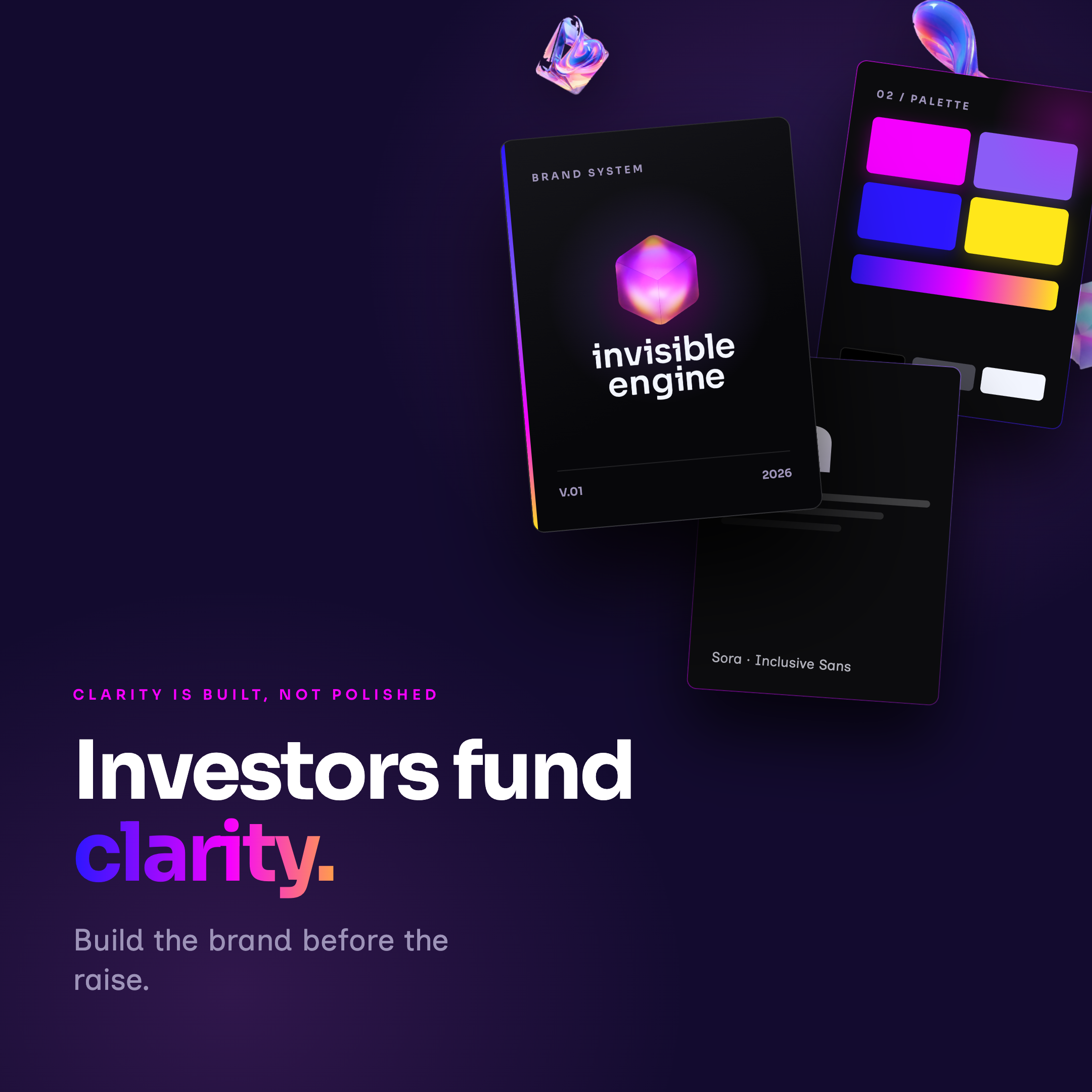
Investors Fund Clarity. Build the Brand Before the Raise.
Investors have stopped treating brand as a nice to have. For years, the assumption was that brand came after the money. Raise first, then hire an agency to make it all look good. That order has flipped. Investors now expect the story to be sharp before they write the check, because a company that can't explain itself clearly to investors won't be able to explain itself to customers either. A weak brand at raise time doesn't read as "they'll fix it later." It reads as a company that hasn't done its thinking yet.

Every AI Brand Looks the Same. Yours Doesn't Have To
Do me a favor. Open ten AI startup websites right now. I'll bet you money that at least seven of them have the same blue and purple gradient, some abstract shape that's supposed to be a neural network, and a headline about transforming something with AI. I see it every week. A founder comes to us with a genuinely impressive product, real technology, real customers, and a website that could belong to any of forty competitors. Cover the logo and you honestly cannot tell whose site it is.
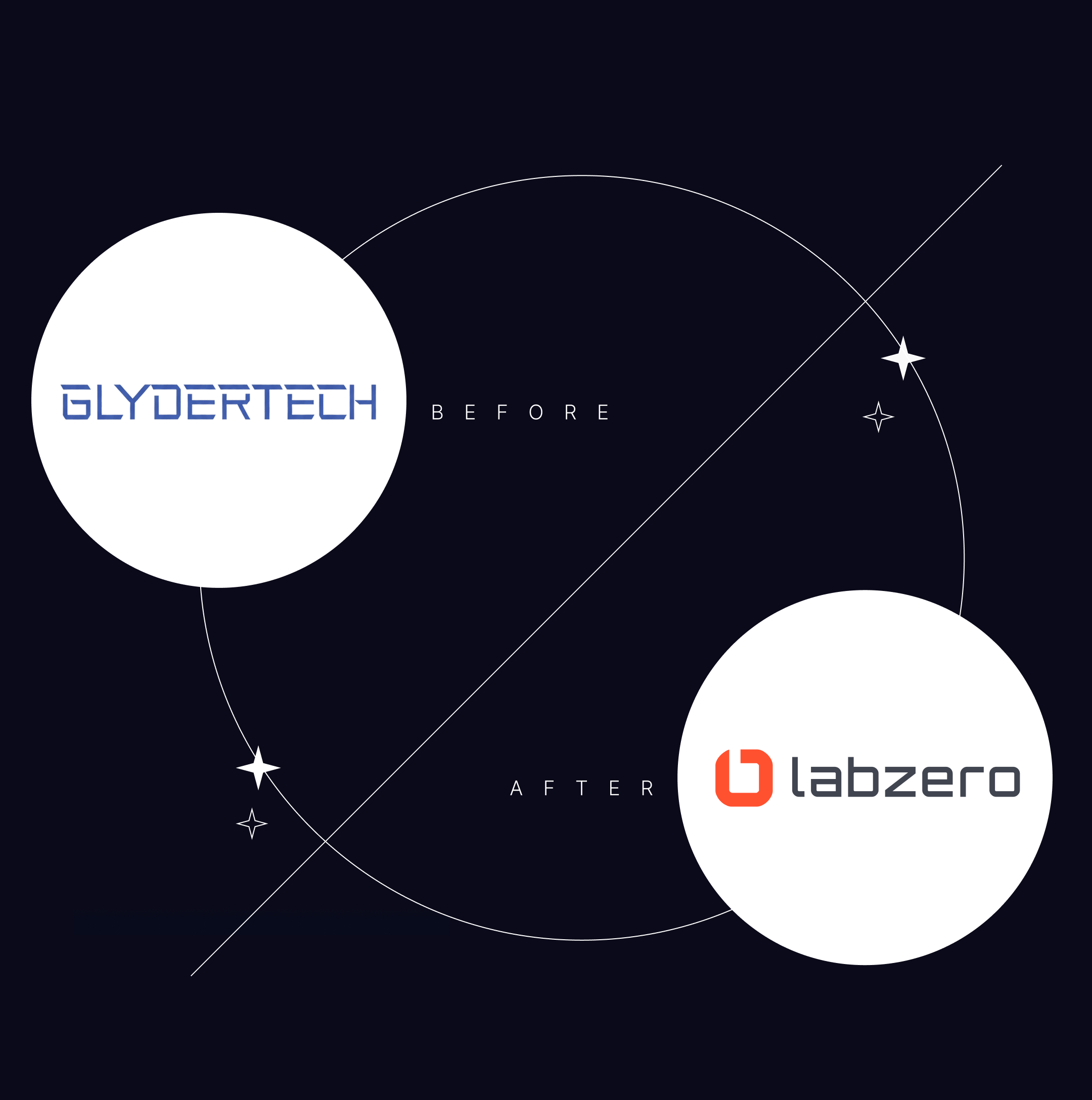
How a name change became a category claim
GlyderTech arrived with a genuine breakthrough: a MEMS-based diagnostic platform that reads a raw sample directly, no lab, no reagent prep, no specialized training, and delivers a result in under 60 seconds. It screens for dozens of pathogens on a single chip, holds up on messy real-world samples that would wreck a standard test, and resets for reuse instead of getting thrown away after one run.
They'd built something rare, and they came to us ready to give it a name and identity as ambitious as the technology itself. That's what we were brought in to build.

Most founder explain features instead of marketing shifts
Investors rarely struggle to understand how a product works. They struggle to understand why the world suddenly needs it. Those are two very different conversations. Features explain capability. Market shifts explain inevitability. One tells people what you've built. The other tells them why your company exists at exactly the right moment.
The founders who become category leaders understand that distinction. They don't ask investors to connect the dots. They connect them first.
Most technical startups are invisible long before they fail.
Failure, for a technical startup, rarely arrives as a single event. It arrives as silence. Inbound dries up. The deck gets passed and passed but never returned. Conference talks land flat. The category never quite materializes. By the time the team can feel it in the room, the failure has been underwriting itself for eighteen months.
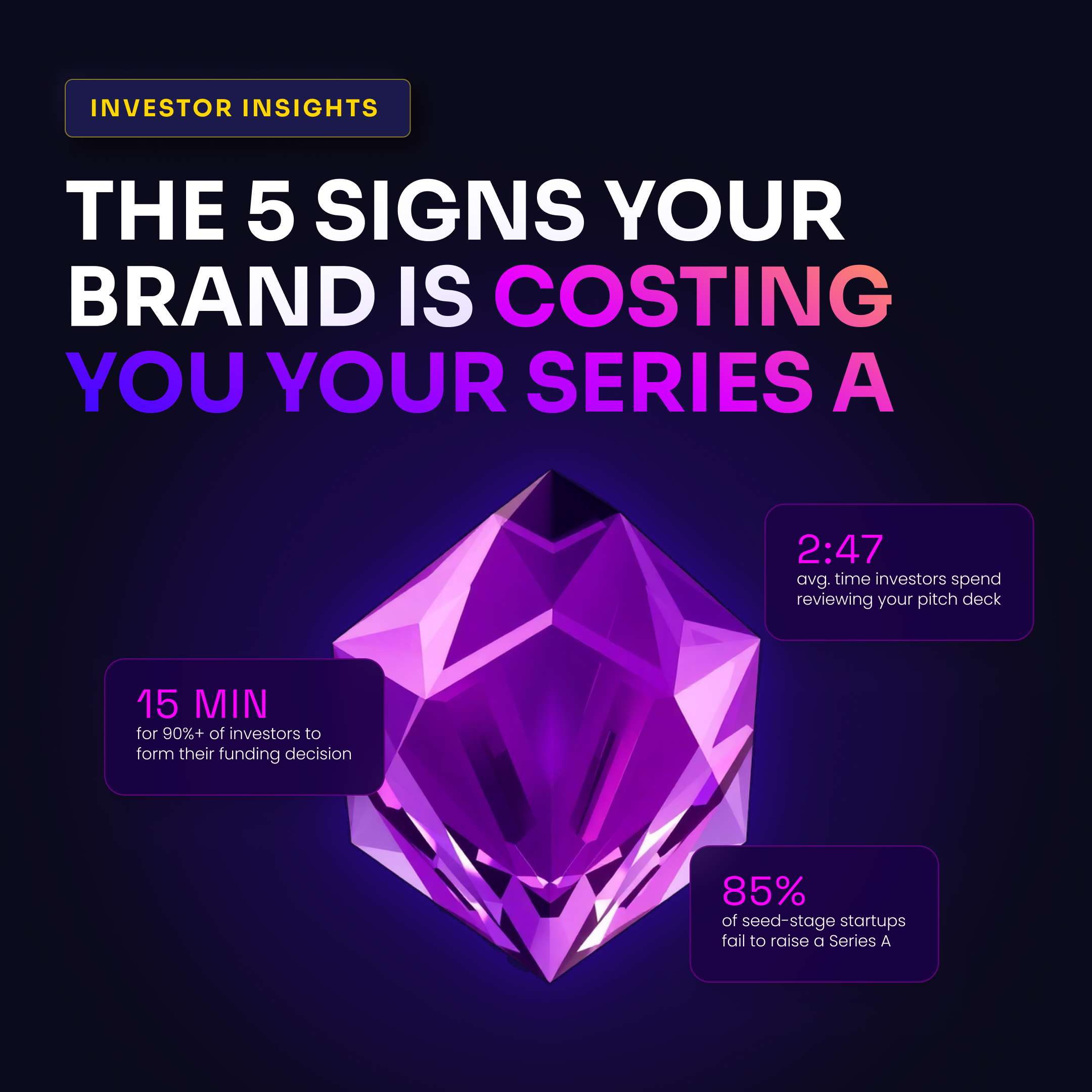
The 5 Signs Your Brand is Costing You Your Series A
Most early-stage companies don't fail because the technology isn't real. They fail because no one important understands it fast enough. At Seed, you can survive that. At Series A, you can't.

Why Investors Don’t Understand Your Startup (And How to Fix It)
In the world of deep tech, the gap between innovation and investment often isn't about the technology itself—it's about the story. Investors don't fund technology; they fund belief in a future that technology makes possible.

Deep Tech Branding in the Age of AI
How Market Inflection Points, Narrative Strategy, and Rapid Prototyping Turn Breakthrough Technology Into Market Belief
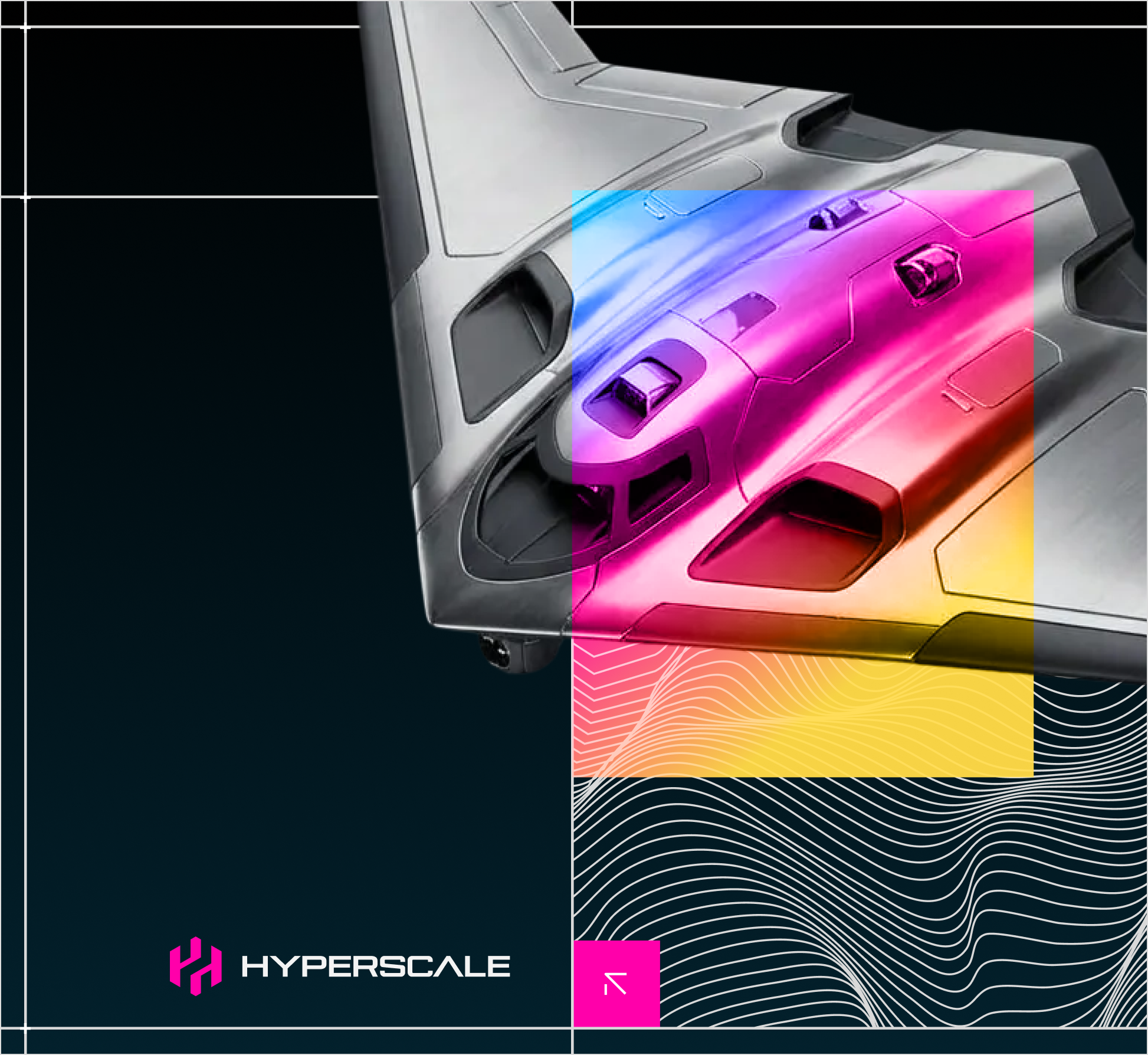
Giving Manufacturing a Pulse: The Branding Approach Behind Hyperscale
Hyperscale was never meant to blend in. In a category full of safe, silent manufacturing brands, we built a system that gives manufacturing a pulse—empowering builders to make what others say can’t be done.
Speed without compromise
In a world where innovation is measured not just by what you build but how quickly and effectively you bring it to life, Numunon’s launch in just 13 weeks stands as a defining example of precision, clarity, and strategic execution.

The night I remembered why I started
I wanted to create work that made someone feel something real. That was the whole point. Somewhere along the way, I lost the plot.

Say it like you mean it.
Founders don’t just need design, they need a framework that makes their company make sense.

Archetypes: The bedrock of every great brand
Every brand that moves people starts with something ancient: story. Before the logo, the tagline, or the typography, there’s an archetype.

Your speed to market is your brand
Your brand isn’t the byproduct of your product. It’s the velocity of your vision. It’s how quickly you make people believe in what you’re building.